A word scramble hands a child a jumble of letters and one mission: unscramble them into a real word. It looks like play, and it is — but under the surface, it is doing serious literacy work. Every scramble strengthens letter recognition, phonics patterns, vocabulary, and the flexible thinking that good spellers rely on. Here are eight ways to turn scrambles into games kids actually ask to play.
1. Scramble of the day
Write one scrambled word on a whiteboard or sticky note each morning. Kids get all day to crack it, and the reveal becomes a little daily ritual. Start with 4-letter words (GAME → MEGA) and stretch to longer ones as confidence grows.
2. Themed scramble cards
Pick a theme — animals, space, Thanksgiving, Halloween — and scramble 10 words from it. Themes turn random practice into a mini adventure, and they sneak in vocabulary lessons. Seasonal themes are magic: holiday scrambles double as party entertainment.
3. The scramble race
Two players, same list of scrambled words, first to finish wins. A little friendly competition makes kids try harder without anyone having to say “practice your spelling.” Keep lists short (8–10 words) so the game stays snappy.
4. Partner scramble
One child writes a scrambled word, the other solves it, then they swap. Writing scrambles is secretly the best spelling practice of all — you cannot scramble a word you cannot spell. This is the teacher-approved version of “kids teaching kids.”
5. Scramble + draw
After solving each word, the child draws a quick picture of it. This anchors the word’s meaning, not just its letters, and it stretches one puzzle into a creative art session. Perfect for younger kids who learn with their hands.
6. Fridge magnet scrambles
Leave a scrambled word on the fridge each morning using letter magnets. Kids (and honestly, adults) cannot resist fiddling with it while waiting for breakfast. Passive, playful, and surprisingly effective.
7. Scramble scavenger hunt
Hide scrambled-word cards around the house or classroom. Each solved word gives a clue to the next hiding spot. This turns spelling practice into a full afternoon of movement and excitement.
8. Printable scramble sheets
For car rides, waiting rooms, and quiet mornings, nothing beats a printed scramble page. A good printable scramble sheet gives kids dozens of puzzles in one go — no screens, no setup, no cleanup.
Age-by-age tips
Ages 4–6: stick to 3–4 letter words with picture hints. Ages 7–9: introduce 5–6 letter themed words and timed races. Ages 10+: try longer words, anagrams with multiple solutions, and vocabulary from school subjects. The golden rule at every age: scrambles should feel like a game, not a test. If frustration shows up, shorten the words — confidence first, challenge second.
The science of why scrambles work
Word scrambles exercise what reading researchers call orthographic processing — the brain’s ability to recognize letter patterns and letter order. When a child stares at “TAC” and rearranges it into “CAT,” they are practicing the exact skill that fluent reading requires: taking letters in one order and mapping them to meaning. Studies of early literacy consistently show that playful word manipulation activities strengthen spelling more effectively than rote memorization. In other words, the game is the lesson.
Setting up a scramble corner at home
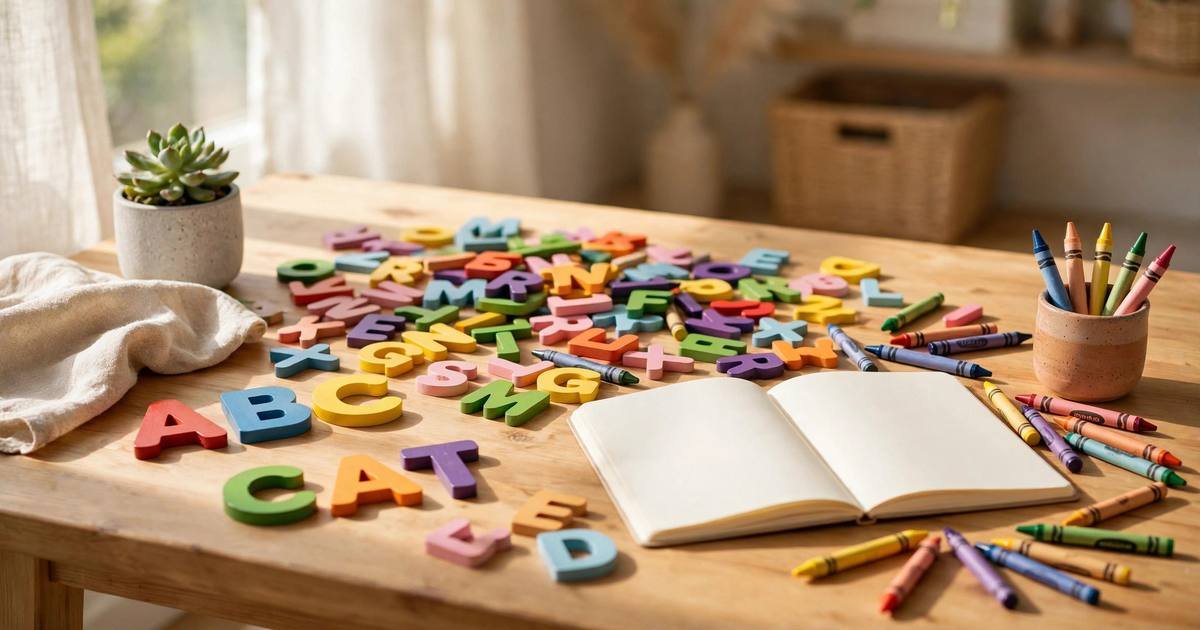
You do not need much: a small whiteboard or a stack of index cards, letter tiles or magnetic letters, and a timer for races. Keep a running list of solved words on the wall — watching the list grow gives kids a visible sense of progress. Many families make the scramble corner a before-dinner ritual: five minutes of scrambling while dinner finishes, and spelling practice happens without anyone noticing.
Jumbled letters today, confident spellers tomorrow. Pick one game, try it this week, and watch what happens.
Want more printable word fun for kids? Our sister site has a free printable Thanksgiving crossword book for kids — 20 easy crosswords with kid-friendly clues, perfect for the holiday table.